Core Concepts to Explore
Understanding Your Biology and Health Differences
The Biology of Sensitivity: High sensitivity is rooted in your neurodivergent nervous system. You are built to receive more data, acting as a fast, sensitive processor that easily glitches and crashes when running in a world not designed for your level of perception.

The Language of Energy
Glossary of Terms
The Nervous System Reboot
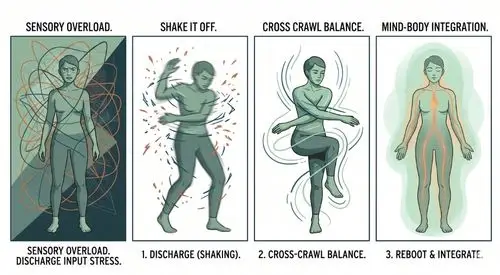
When you take in more data than your brain can process, your nervous system can enter a simulated crisis of fight, flight, or freeze. To discharge this stored stress and energetic static, you must intentionally move your body. This doesn't have to be a formal workout; it can simply look like shaking, bouncing, or pushing against a wall to physically release the built-up tension.
Sensory Detox: Narrowing the Channel
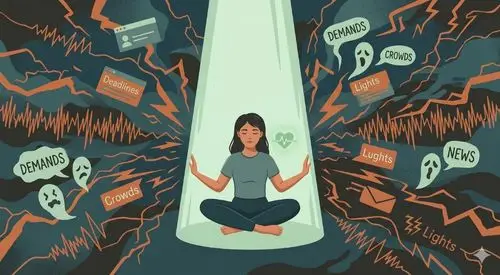
Neurodivergent burnout causes a deep, bone-level exhaustion that sleep alone cannot fix. True recovery requires intentionally narrowing your channel to soothe your overloaded electrical system. This means drastically reducing sensory and social demands, not just lightening your workload.
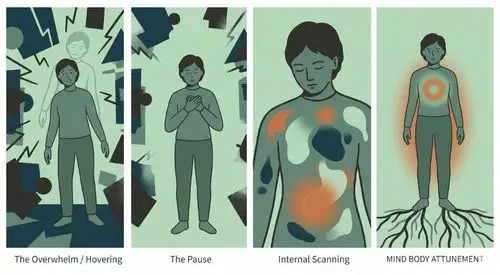
Reconnecting: The Mind Body Attunement
To survive a world not built for your wiring, your nervous system’s first response to sensory or emotional overload is often to "hover" slightly outside your physical body. While this coping mechanism offers temporary relief, it disconnects you from your physical cues. The Mind Body Attunement is a somatic check-in practice where you pause to safely anchor your consciousness back into your human vessel. Take a moment to ask yourself what is really happening inside you, locating exactly where that energy is sitting in your body. By identifying your feelings and developing a vocabulary for your inner world, you can learn to read your body's signals and honor your physical limits before a nervous system crash occurs.
How We Become Empaths and the Reality of Neurodivergent Burnout
The Biology of Sensitivity


Have you ever wondered, "Why am I like this?"
When we first discover we are empaths, it is natural to want to trace the origin of our intense sensitivity. For years, you may have been told you were "too sensitive" or that you just needed to toughen up. But being an empath is not a personality flaw or a psychological disorder; it is a complex intersection of neurobiology, genetics, and your childhood environment.
To truly understand how this impacts your health today, we have to look at the four main factors that enable our empathic nature, and specifically, how this relates to the reality of neurodivergence.

Nature: The Biological and Genetic Foundation
The first two factors of how we become empaths are entirely physical:
1. Biology: You were born with heightened sensitivity. High sensitivity is rooted deeply in the physical nervous system. As an empath and a neurodivergent soul, you are biologically wired as a fast, sensitive processor built to receive massive amounts of subtle data. Your brain simply takes in more information than a neurotypical brain.
2. Genetics: This heightened sensitivity is often handed down through your DNA from your parents and ancestors. It is a multi-generational inheritance.

Nurture: The Environmental Shaping
Your neurobiology dictates how much data you process, but your childhood environment dictates how your nervous system learned to survive that data.
3. "Good" Parenting: Some empaths were raised by parents who actively taught their children to be highly aware of others, fostering an environment where considering how others feel was a primary focus.
4. "Bad" Parenting or Trauma: Many empaths experienced neglectful or abusive childhoods. To survive unpredictable adults, your sensitive nervous system adapted by developing extreme hypervigilance and a profound people-pleasing trauma response.

The Health Cost: Masking and Neurodivergent Burnout
When you take a biologically sensitive nervous system (Nature) and place it in an environment where it must constantly monitor everyone else to feel safe (Nurture), you create the perfect storm for a health crisis.
To survive in a world not designed for your neurodivergent brain, you likely developed a survival mask, known as the Phantom Persona. You learned to unconsciously suppress your natural behaviors, mimic social norms, and shape-shift to fit in.
In the neurodivergent community, this is known as masking, and it is cognitively expensive. Imagine running a complex translation program in the background of your brain, all day, every day. Eventually, the system crashes.

For a neurodivergent empath, this crash is not typical workplace burnout that can be fixed with a vacation. It is a severe physiological response. Because your nervous system is constantly overloaded by sensory and emotional data, you are highly vulnerable to conditions like chronic fatigue syndrome, adrenal fatigue, digestive issues, and autoimmune diseases.
Neurodivergent burnout often involves:
* Sensory sensitivity spikes: Lights, sounds, and textures become unbearable as your nervous system enters a simulated crisis of fight, flight, or freeze.
* Executive function collapse: Basic, everyday tasks suddenly feel impossible.
* A deep, bone-level exhaustion: This is a profound depletion that sleep simply does not fix.

Recovery: Acknowledging Your Biology
If you are currently experiencing this level of exhaustion, please hear this: Your burnout is a signal that your environment has been asking you to be a different person for too long.
You cannot simply rest your way out of neurodivergent burnout while continuing to wear the mask. True recovery requires understanding your unique empathic biology, drastically reducing the sensory and social demands placed upon you, and reconnecting with your authentic self. It is not just about doing less; it is about finally giving your nervous system the permission to exist exactly as it was wired to be.
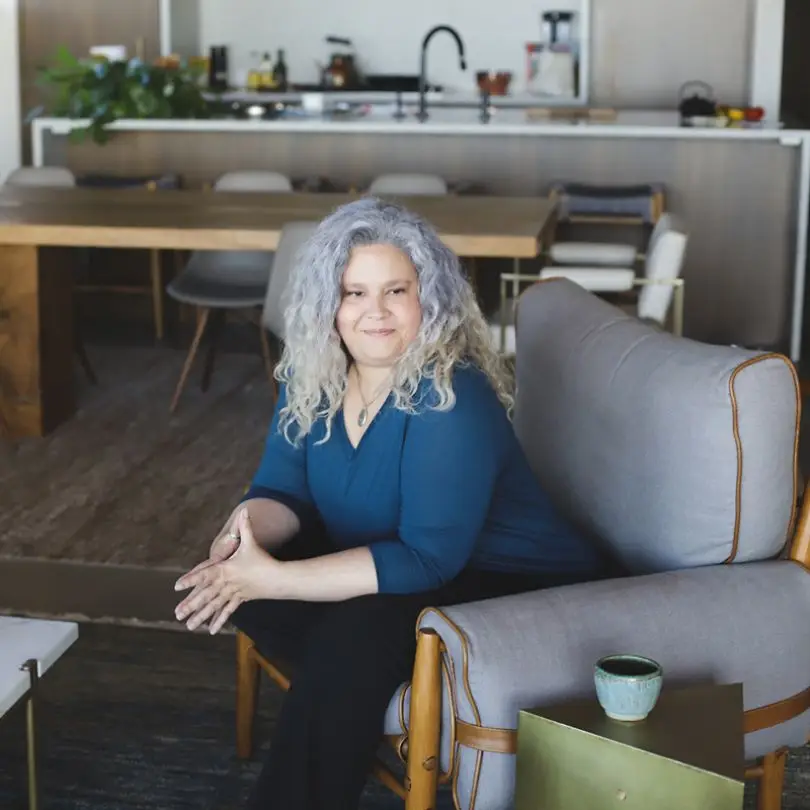
Stop Masking, Start Healing
If you are experiencing the bone-level exhaustion of neurodivergent burnout, please know this: you cannot simply rest your way out of it while continuing to wear a survival mask
. If you are seeking to understand how your highly sensitive nervous system and permeable aura are leading to chronic fatigue and overwhelm, you do not have to navigate it alone.
1:1 Mentoring provides a personalized container for deep self-inquiry, energetic healing, and spiritual alignment. Schedule a free 30-minute call to explore how we can help your nervous system finally exhale and exist exactly as it was biologically wired to be.
Recommended Reading for the Journey
The Library

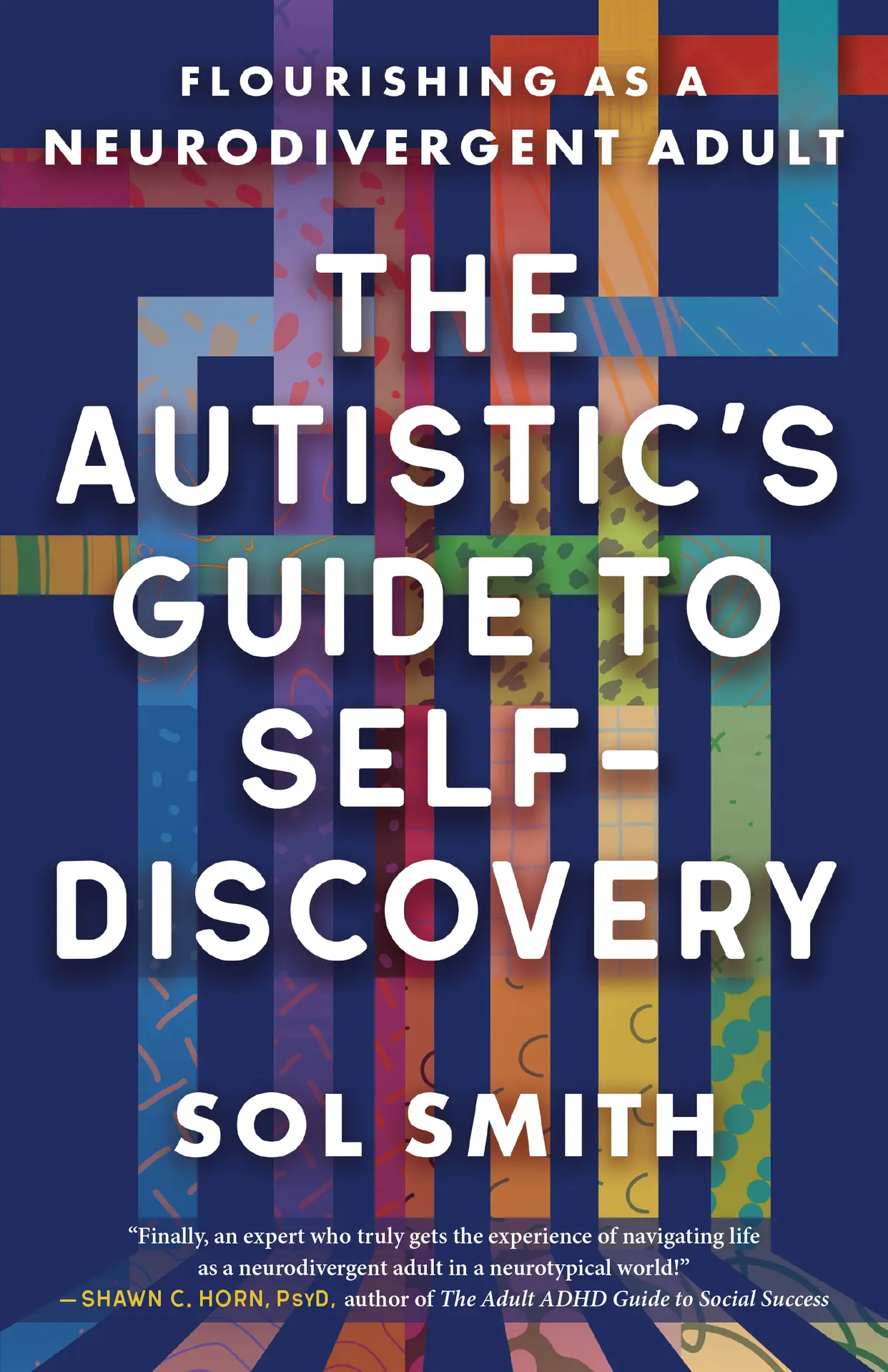
The Autistic's Guide to Self--Discovery by Sol Smith
The Autistic's Guide to Self-Discovery: Flourishing as a Neurodivergent Adult
by Sol Smith
In this first-of-its-kind book, Sol Smith combines current research, his personal experience as a late-diagnosed autistic adult, and lessons learned as an educator to show how you can transcend common mischaracterizations, overcome shame, and gain the skills to flourish. Sol knows that neurodivergent people often feel that nothing they have been taught relates to how they experience the world. To resolve this conflict, they try to change or mask who they are, which can cause isolation, depression, and anxiety. He advises the opposite: Understand yourself, accept yourself, and reduce conflict. Designed to help you peel away the shell of inadequacy and self-blame that often comes with neurodivergence, The Autistic’s Guide to Self-Discovery offers the necessary tools and knowledge to function effectively at home, at work, and in the wider world.
As a successful Harvard and Berkeley-educated writer, entrepreneur, and devoted mother, Jenara Nerenberg was shocked to discover that her “symptoms”--only ever labeled as anxiety-- were considered autistic and ADHD. Being a journalist, she dove into the research and uncovered neurodiversity—a framework that moves away from pathologizing “abnormal” versus “normal” brains and instead recognizes the vast diversity of our mental makeups. When it comes to women, sensory processing differences are often overlooked, masked, or mistaken for something else entirely. Nerenberg explores these topics in depth, delving into:
* Flawed systems that focus on diagnosing younger, male populations.
* How people assigned female at birth are conditioned to blend in and conform to gender expectations, and how women often don’t learn about their neurological differences until they are adults, if at all.
* The impact of millions living with undiagnosed or misdiagnosed neurodivergences, and how the misidentification leads to depression, anxiety, low self-esteem, and shame.
* Practical solutions for neurodivergent people to thrive, not just survive.
Divergent Mind is the much-needed answer for women who have a deep sense that they are “different.” Sharing real stories from women with high sensitivity, ADHD, autism, misophonia, dyslexia, SPD, and more, Nerenberg explores how these brain variances present differently in women and dispels widely-held misconceptions (for example, it’s not that autistic people lack sensitivity and empathy, they have an overwhelming excess of it). Nerenberg offers us a path forward, describing changes in how we communicate, how we design our surroundings, and how we can better support divergent minds. When we allow our wide variety of brain makeups to flourish, we create a better tomorrow for us all.
Divergent Mind by Jenara Nerenberg
Divergent Mind: Thriving in a World That Wasn't Designed for You
by Jenara Nerenberg
The bestselling, paradigm-shifting study of neurodivergent women—those with ADHD, autism, synesthesia, high sensitivity, and sensory processing disorder—exploring why these traits are overlooked in women and how society benefits from allowing their unique strengths to flourish.
As a successful Harvard and Berkeley-educated writer, entrepreneur, and devoted mother, Jenara Nerenberg was shocked to discover that her “symptoms”--only ever labeled as anxiety-- were considered autistic and ADHD. Being a journalist, she dove into the research and uncovered neurodiversity—a framework that moves away from pathologizing “abnormal” versus “normal” brains and instead recognizes the vast diversity of our mental makeups. When it comes to women, sensory processing differences are often overlooked, masked, or mistaken for something else entirely. Nerenberg explores these topics in depth, delving into:
* Flawed systems that focus on diagnosing younger, male populations.
* How people assigned female at birth are conditioned to blend in and conform to gender expectations, and how women often don’t learn about their neurological differences until they are adults, if at all.
* The impact of millions living with undiagnosed or misdiagnosed neurodivergences, and how the misidentification leads to depression, anxiety, low self-esteem, and shame.
* Practical solutions for neurodivergent people to thrive, not just survive.
Divergent Mind is the much-needed answer for women who have a deep sense that they are “different.” Sharing real stories from women with high sensitivity, ADHD, autism, misophonia, dyslexia, SPD, and more, Nerenberg explores how these brain variances present differently in women and dispels widely-held misconceptions (for example, it’s not that autistic people lack sensitivity and empathy, they have an overwhelming excess of it). Nerenberg offers us a path forward, describing changes in how we communicate, how we design our surroundings, and how we can better support divergent minds. When we allow our wide variety of brain makeups to flourish, we create a better tomorrow for us all.
Laziness Does Not Exist by Devon Price PhD
Laziness Does Not Exist
by Devon Price PhD
From social psychologist Dr. Devon Price, a conversational, stirring call to “a better, more human way to live” (Cal Newport, New York Times bestselling author) that examines the “laziness lie”—which falsely tells us we are not working or learning hard enough.
Extra-curricular activities. Honors classes. 60-hour work weeks. Side hustles.
Like many Americans, Dr. Devon Price believed that productivity was the best way to measure self-worth. Price was an overachiever from the start, graduating from both college and graduate school early, but that success came at a cost. After Price was diagnosed with a severe case of anemia and heart complications from overexertion, they were forced to examine the darker side of all this productivity.
Laziness Does Not Exist explores the psychological underpinnings of the “laziness lie,” including its origins from the Puritans and how it has continued to proliferate as digital work tools have blurred the boundaries between work and life. Using in-depth research, Price explains that people today do far more work than nearly any other humans in history yet most of us often still feel we are not doing enough.
Filled with practical and accessible advice for overcoming society’s pressure to do more, and featuring interviews with researchers, consultants, and experiences from real people drowning in too much work, Laziness Does Not Exist “is the book we all need right now” (Caroline Dooner, author of The F*ck It Diet).

The Trifecta Passport by Amber Walker
The Trifecta Passport: Tools for Mast Cell Activation Syndrome, Postural Orthostatic Tachycardia Syndrome and Ehlers-Danlos Syndrome
by Amber Walker
The “trifecta” refers to three conditions that commonly occur together: mast cell activation syndrome (MCAS), postural orthostatic tachycardia syndrome (POTS) and the hypermobile type of Ehlers-Danlos syndrome (hEDS). These three conditions are gradually becoming more recognized in the mainstream medical world as more and more patients find themselves struggling with debilitating and often mysterious symptoms. However, recognizing these conditions is only the first step on the healing journey. With the right approach and toolbox, patients can reverse many of these symptoms to find lasting vitality. Written by a Doctor of Physical Therapy who has additional certifications in functional medicine and nutrition and extensive experience in working with these conditions, this book serves as patient guide that empowers individuals to put all of the puzzle pieces together as part of an individualized healing plan. Part One (3 chapters) is an overview of the three trifecta conditions, and Part Two (9 chapters) outlines the important pillars of an essential plan to address any (or all) of these conditions holistically. The book wraps up with a chapter of patient case stories. Accompanying the purchase of this book is access to a free 20-page PDF document that serves as a customizable workbook for readers to use as they read along. The Trifecta Passport dives into topics such as nervous system regulation, mold and other biotoxins, nutrition, exercise, detoxification, mental/emotional health and trauma, structural/musculoskeletal issues and the many underlying root issues (related to hormones, bacterial/viral load, gut health, etc.) that can trigger or exacerbate these conditions. This resource unpacks many different tools and practical treatment options that should be on the radar of patients living with these (and other) chronic conditions. When faced with these labels, it can be overwhelming to weed through all the resources out there to figure out how to move forward with a comprehensive and personalized road map. By helping readers put it all together in an organized manner, this book is a great resource for any patient with chronic illness as well as the caregivers and doctors who support them.

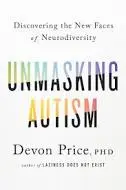
Unmasking Autism by Devon Price PhD
Unmasking Autism
by Devon Price PhD
A deep dive into the spectrum of Autistic experience and the phenomenon of masked Autism, giving individuals the tools to safely uncover their true selves while broadening society’s narrow understanding of neurodiversity
“A remarkable work that will stand at the forefront of the neurodiversity movement.”—Barry M. Prizant, PhD, CCC-SLP, author of Uniquely Human: A Different Way of Seeing Autism
For every visibly Autistic person you meet, there are countless “masked” Autistic people who pass as neurotypical. Masking is a common coping mechanism in which Autistic people hide their identifiably Autistic traits in order to fit in with societal norms, adopting a superficial personality at the expense of their mental health. This can include suppressing harmless stims, papering over communication challenges by presenting as unassuming and mild-mannered, and forcing themselves into situations that cause severe anxiety, all so they aren’t seen as needy or “odd.”
In Unmasking Autism, Dr. Devon Price shares his personal experience with masking and blends history, social science research, prescriptions, and personal profiles to tell a story of neurodivergence that has thus far been dominated by those on the outside looking in. For Dr. Price and many others, Autism is a deep source of uniqueness and beauty. Unfortunately, living in a neurotypical world means it can also be a source of incredible alienation and pain. Most masked Autistic individuals struggle for decades before discovering who they truly are. They are also more likely to be marginalized in terms of race, gender, sexual orientation, class, and other factors, which contributes to their suffering and invisibility. Dr. Price lays the groundwork for unmasking and offers exercises that encourage self-expression, including:
• Celebrating special interests
• Cultivating Autistic relationships
• Reframing Autistic stereotypes
• And rediscovering your values
It’s time to honor the needs, diversity, and unique strengths of Autistic people so that they no longer have to mask—and it’s time for greater public acceptance and accommodation of difference. In embracing neurodiversity, we can all reap the rewards of nonconformity and learn to live authentically, Autistic and neurotypical people alike.







Align Your Body, Mind, and Spirit
If you are looking for help with the body and energy you have, you do not have to navigate the journey alone. Quantum Alignment is a 1:1 multidimensional energy healing container designed for deep, personalized self-inquiry and past-life or ancestral healing. If you are ready to bring your body, mind, and spirit back into beautiful coherence, explore Quantum Alignment and book your session.