
Is being an empath real? Science doesn’t measure “empaths.” It measures something very close: sensory processing sensitivity, a heritable trait that shapes how deeply you take in sights, sounds, moods and other people’s feelings. Depending on the study, roughly one in five to one in three people has it in high measure. If you’ve spent your life being told you’re “too sensitive,” the research says you’re not broken. You’re wired differently, and you have plenty of company.
This page gathers the strongest evidence there is on what that wiring looks like: how common it is, what brain scans show, what it costs in a world built for thicker skin, and where sensitive, spiritual and deeply feeling people find support. Every number links to the organization that produced it. No roundups, no recycled blog figures, and every stat is dated.
Empath and Highly Sensitive Person Statistics Key Takeaways
- About 31% of adults fall into a “highly sensitive” group, in a study of 906 people that sorted participants by statistical clustering rather than a fixed cut-off (Lionetti et al., Translational Psychiatry, Jan 2018).
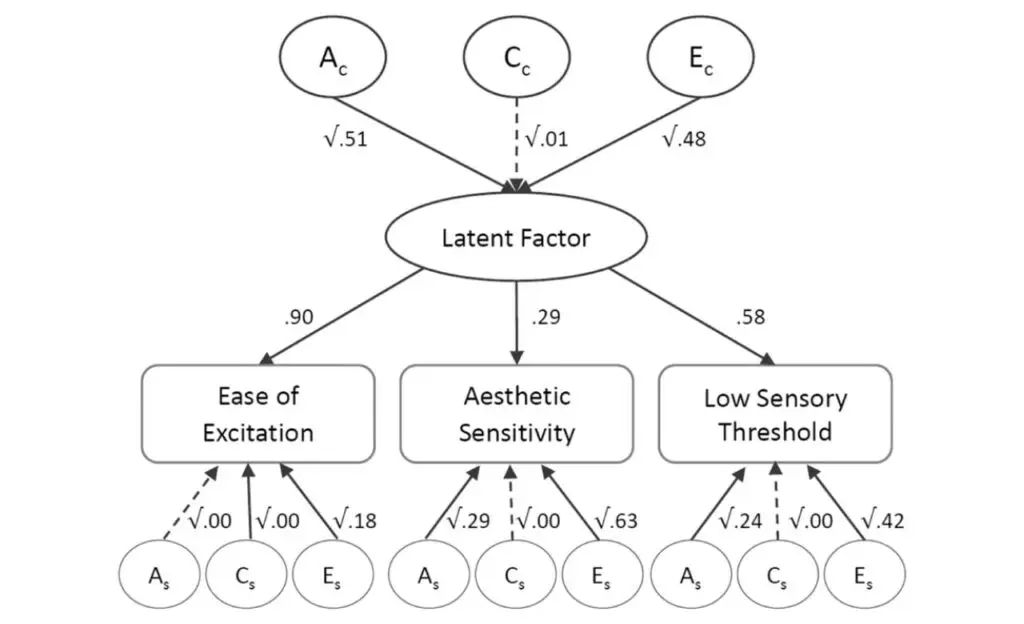
- Sensitivity is about 47% heritable, according to a twin study of 2,868 adolescents (Assary et al., Molecular Psychiatry, Jun 2020).
- Sensitivity correlates r = .39 with anxiety and r = .36 with depression across 33 studies and 12,697 people (Falkenstein et al., Clinical Psychological Science, Aug 2025).
- A school depression-prevention programme worked only for the most sensitive girls and had no effect on the least sensitive (Pluess & Boniwell, Personality and Individual Differences, Aug 2015).
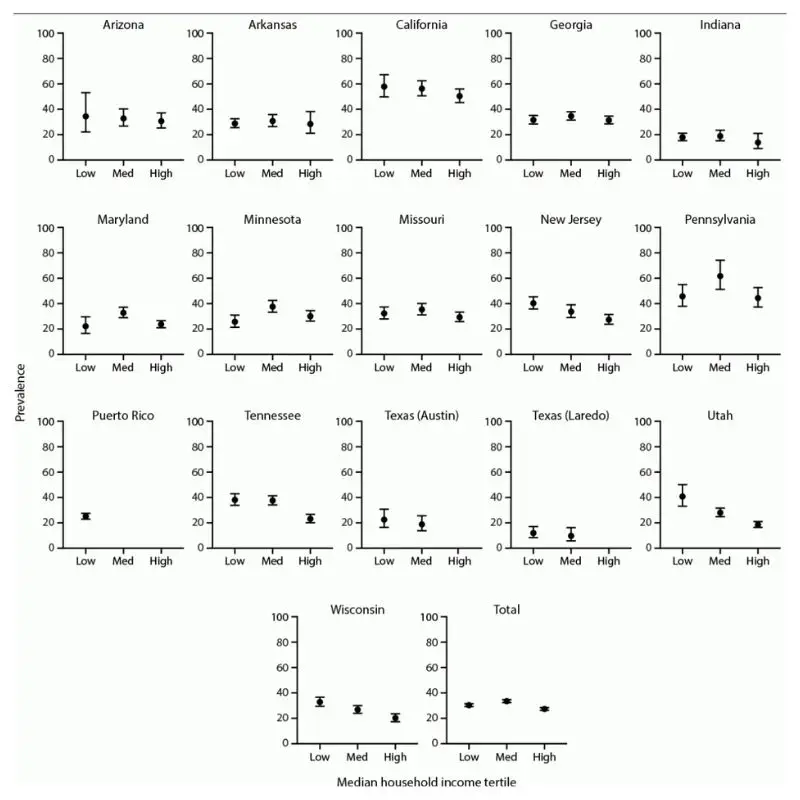
- 6.0% of US adults, about 15.5 million people, have a current ADHD diagnosis, and about half were diagnosed at 18 or older (CDC, MMWR, Oct 2024).
- 48% of US workers feel tense or stressed during the workday, up from 41% a year earlier (American Psychological Association, Work in America 2026, Sep 2026).
- 21% of US adults feel lonely for much of the day, rising to 29% among 18 to 29 year olds (Gallup, Sep 2025).
- Lacking social connection carries a premature-death risk comparable to smoking up to 15 cigarettes a day (US Surgeon General, May 2023).
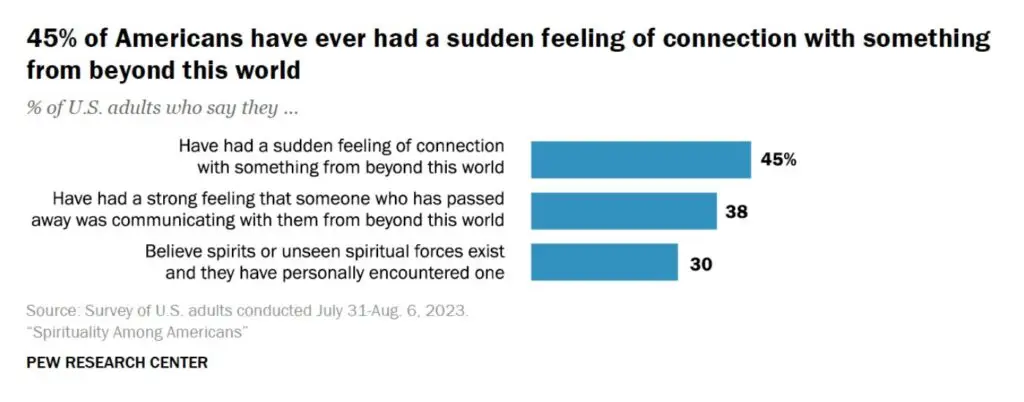
- 45% of Americans say they have had a sudden feeling of connection with something from beyond this world (Pew Research Center, Dec 2023).
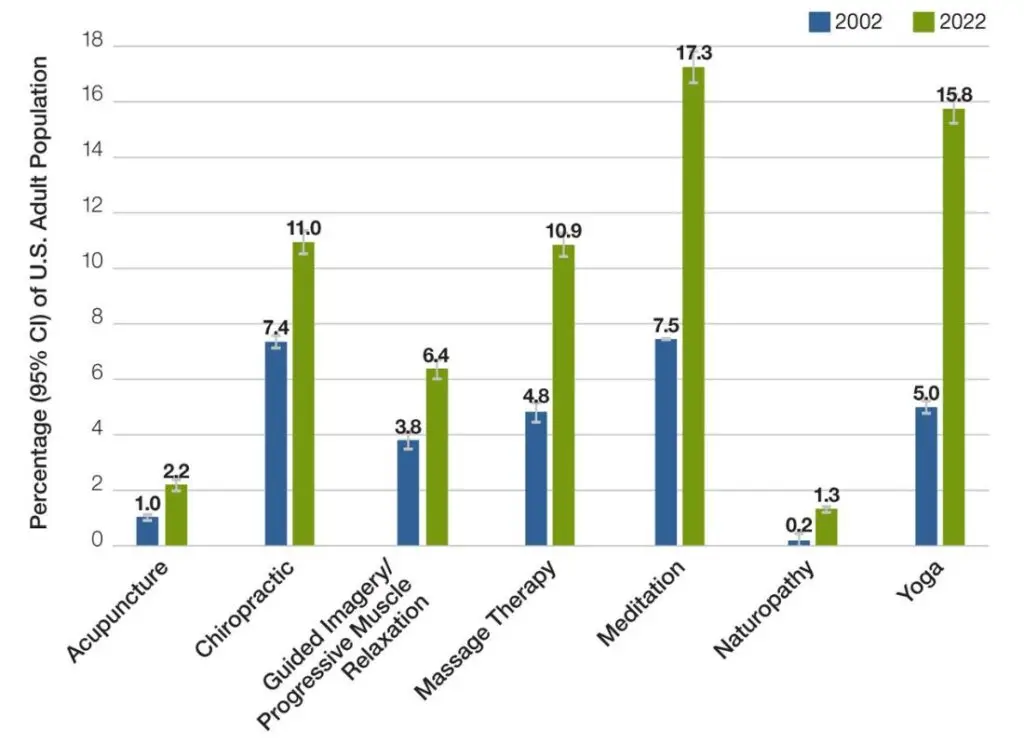
- Use of complementary health approaches nearly doubled in 20 years, from 19.2% to 36.7% of US adults (Nahin et al., JAMA, Jan 2024).
- 49.4% of US women and 45.1% of men have experienced psychological aggression from an intimate partner (CDC, NISVS 2016/2017 Report, Oct 2022).
- 46% of US psychologists have no openings for new patients, and 40% keep a waitlist (American Psychological Association, Practitioner Pulse Survey, Dec 2025).
How common are empaths and highly sensitive people?
The “1 in 5” figure you see everywhere is out of date. Newer statistical methods keep landing closer to 1 in 3, and the trait shows up across cultures, ages and even species.
What percentage of people are empaths or highly sensitive?
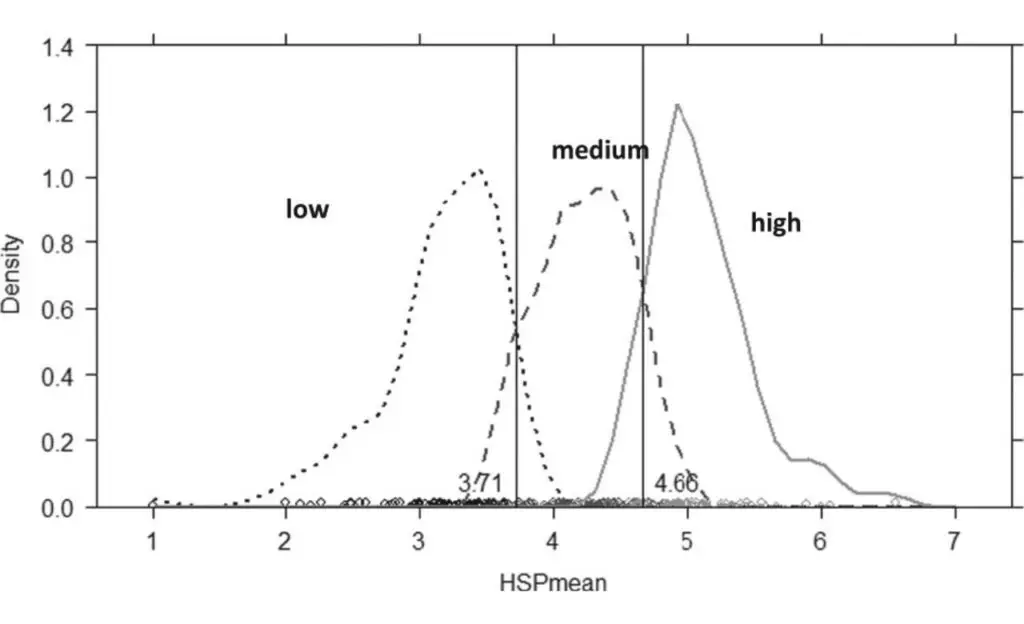
Between roughly 20% and 31% of people score as highly sensitive, depending on the study and the method. Older work used a single cut-off; newer work uses latent class analysis and finds higher shares.
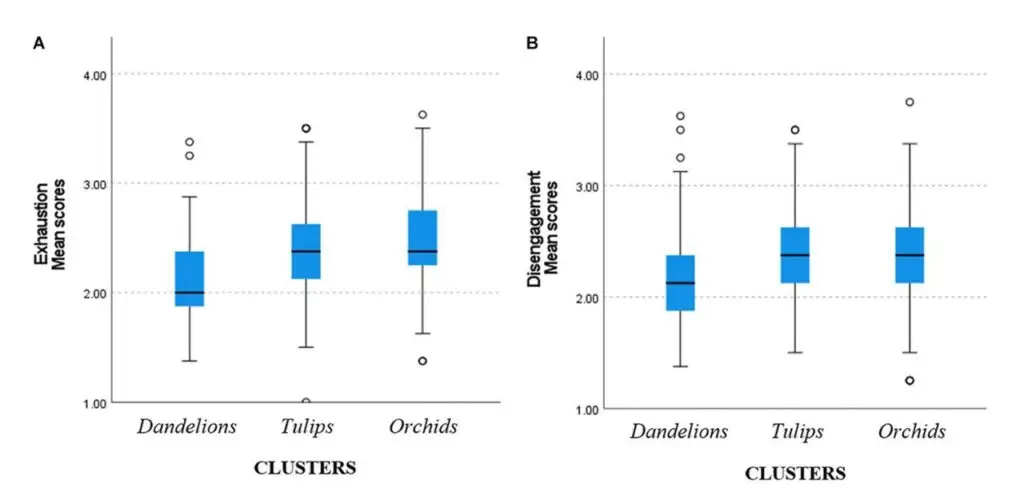
- Of the 906 adults in the orchids study, 40% fell into a medium-sensitivity “tulip” group and 29% into a low-sensitivity “dandelion” group (Lionetti et al., Translational Psychiatry, Jan 2018).
- Approximately 30% of the general population scores high on sensory processing sensitivity (Weyn et al., Scientific Reports, Dec 2025).
- Queen Mary University of London researchers describe around 31% of the general population as highly sensitive (Queen Mary University of London, Aug 2025).
- Earlier research estimated the trait in “roughly 20% of humans” (Acevedo et al., Brain and Behavior, Jun 2014).
Are highly sensitive children as common as adults?
Yes. Children sort into the same three groups, and the high-sensitivity share is similar.
- Among 3,581 UK children and teens aged 8 to 19, between 20% and 35% fell into the high-sensitivity group, with 41% to 47% medium and 25% to 35% low (Pluess et al., Developmental Psychology, Jan 2018).
Is high sensitivity the same across cultures and genders?
The trait appears in every population studied so far, from Europe to East Asia. Women tend to score somewhat higher than men.
- In South Korea, 32.7% of 1,773 adults aged 20 to 80+ fell into the high-sensitivity group, 45.3% medium and 22.0% low (Yang & Kwon, PLOS ONE, Sep 2024).
- In a Japanese validation study of 2,388 adults, high scorers felt significantly more positive emotion after watching a positive video, while low scorers showed no change (Iimura et al., Journal of Personality Assessment, Mar 2022).
- In a Spanish sample of 10,525 people, women had higher sensitivity scores than men (Pérez-Chacón et al., International Journal of Environmental Research and Public Health, Apr 2023).
- About 26% of working adults in a Japanese sample of 296 could be classified as highly sensitive (University of Osaka, Nov 2024).
Do animals have sensitive personalities too?
Researchers say yes. The pattern of a responsive minority and a less responsive majority shows up across the animal kingdom.
- Researchers report sensory processing sensitivity “in over 100 other species,” including primates (Acevedo et al., Philosophical Transactions of the Royal Society B, Feb 2018).
- An evolutionary model found that being responsive is “advantageous when rare but disadvantageous when common,” which explains why sensitive individuals stay a minority (Wolf et al., PNAS, Oct 2008).
- The original Highly Sensitive Person Scale came out of seven studies and showed the trait is partly independent of introversion (Aron & Aron, Journal of Personality and Social Psychology, Aug 1997).
Is being an empath real? What brain science shows
“You’re just too sensitive” is a claim that brain scans can test. They show that sensitive brains process the world, and other people, measurably differently.
Do highly sensitive people's brains work differently?
Yes. In fMRI studies, higher sensitivity scores go with more activity in areas tied to attention, awareness and empathy, even after accounting for neuroticism and introversion.
- Sensitivity was linked to significantly greater activation in brain areas for high-order visual processing while people spotted subtle changes in scenes, the first neural evidence for the trait (Jagiellowicz et al., Social Cognitive and Affective Neuroscience, Mar 2010).
- When viewing photos of happy and sad faces, higher sensitivity scores were tied to more activation in regions for awareness, empathy and action planning, including the insula and inferior frontal gyrus (Acevedo et al., Brain and Behavior, Jun 2014).
- After an empathy task, more sensitive people showed stronger resting-state connectivity in attention and limbic networks (Acevedo et al., Neuropsychobiology, Feb 2021).
- A review found sensitivity engages brain regions for reward, memory, self-other processing, empathy and awareness in a pattern distinct from autism, schizophrenia and PTSD (Acevedo et al., Philosophical Transactions of the Royal Society B, Feb 2018).
Is sensitivity genetic?
Partly. Roughly half the variation between people comes from genes, and the rest from life experience.
- A major review describes sensory processing sensitivity as “a common, heritable and evolutionarily conserved trait” (Greven et al., Neuroscience & Biobehavioral Reviews, Mar 2019).
Can you really feel other people's emotions?
In a measurable sense, yes. Watching someone in pain activates your own pain circuitry, and emotions spread between people even without conscious awareness.
- A meta-analysis of 32 brain-imaging studies found a core empathy-for-pain network in the anterior insula and cingulate cortex (Lamm et al., NeuroImage, Feb 2011).
- Seeing a signal that a loved one was in pain activated the same affective pain regions as receiving pain directly (Singer et al., Science, Feb 2004).
- Researchers recorded 1,177 individual human brain cells and found neurons that fire both when doing an action and when watching it (Mukamel et al., Current Biology, Apr 2010).
- Faces flashed for just 30 milliseconds, too fast to see consciously, still triggered matching facial muscle reactions (Dimberg et al., Psychological Science, Jan 2000).
- A friend living within a mile who becomes happy raises the chance that you are happy by 25% (Fowler & Christakis, BMJ, Dec 2008).
- Emotional contagion was tested on 689,003 Facebook users by altering the emotional tone of their feeds, a study that drew wide ethical criticism (Kramer et al., PNAS, Jun 2014).
If this sounds like you, start with Laura’s guide to what an empath is.
The cost of feeling deeply
Sensitivity isn’t a disorder. But in a loud, rushed, unkind environment, it carries a measurable price. The same research also shows sensitive people gain the most when conditions improve.
Are highly sensitive people more prone to anxiety and depression?
Yes, on average. Sensitivity is moderately linked to anxiety, depression and several other conditions, though correlation is not destiny.
- The same 33-study meta-analysis also linked sensitivity to OCD, PTSD, agoraphobia and social phobia, with individual correlations ranging from r = .05 to r = .65 (Falkenstein et al., Clinical Psychological Science, Aug 2025).
- Among 800 adults, sensitivity correlated with stress (r = .344) and poorer sleep quality (r = .242) (Costa-López et al., Scientific Reports, Sep 2024).
- People with higher sensitivity had higher cortisol in both saliva and hair samples, plus more perceived stress, in a study of 157 adults (Golonka et al., Scientific Reports, Mar 2025).
When does overstimulation hit hardest?
In the afternoon and early evening, and around other people. In calm, pleasant conditions, sensitive people actually do better than everyone else.
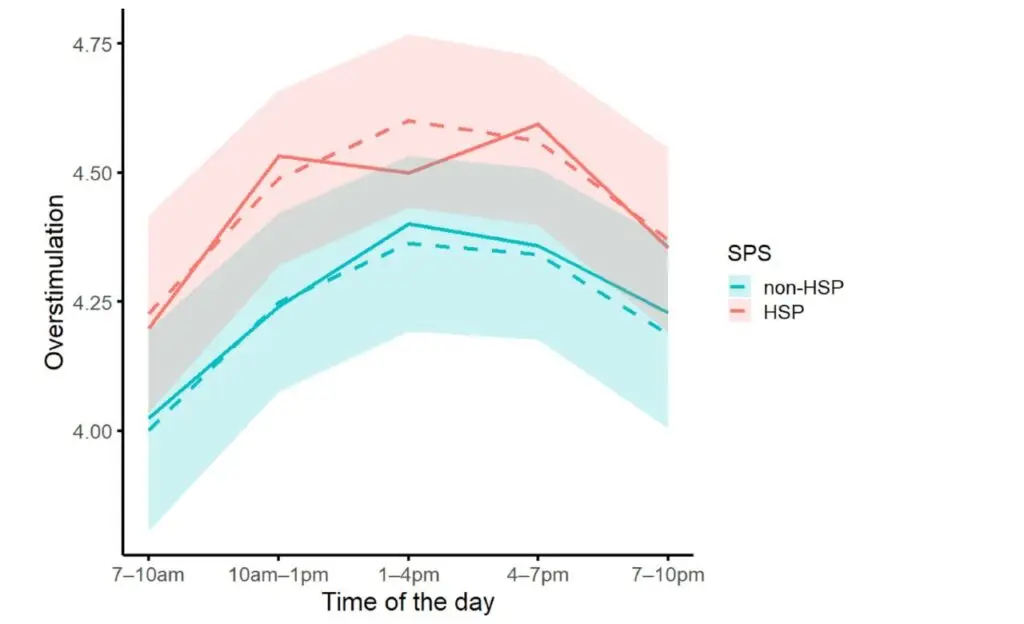
- Across 139 adults prompted five times a day for a week, overstimulation peaked between 1pm and 7pm and rose in the presence of others (Weyn et al., Scientific Reports, Dec 2025).
- In the same study, more sensitive people reported less overstimulation than others when surroundings were pleasant, they weren’t tired and their mood was good (Weyn et al., Scientific Reports, Dec 2025).
Do sensitive people benefit more from support?
Yes. Researchers call this vantage sensitivity: the same nervous system that absorbs harm also absorbs help.
- In a school anti-bullying trial with 2,042 pupils, highly sensitive boys benefited significantly more from the programme than less sensitive boys (Nocentini et al., Clinical Psychological Science, Jul 2018).
Sensitive people respond most to the right support. If you’re ready to work with your sensitivity rather than against it, explore the Empath Apprenticeship or book a free 30-minute call.
Sensitivity and neurodivergence
Many sensitive people discover in adulthood that they’re also neurodivergent. The overlap is real, but sensitivity is not the same thing as ADHD or autism, and the data shows both sides.
How many adults are neurodivergent?
Millions, and many find out late. Autism and ADHD alone account for well over 20 million US adults.
- About 1 in 31 US 8-year-olds (3.2%) were identified with autism in 2022 (CDC, MMWR Surveillance Summaries, Apr 2025).
- Autism was 3.4 times as common among boys as girls in that surveillance data (CDC, ADDM Network, Apr 2025).
- An estimated 2.21% of US adults, about 5.4 million people, are autistic (Dietz et al., Journal of Autism and Developmental Disorders, Dec 2020).
Is sensory sensitivity linked to ADHD and autism?
Yes. Sensory sensitivity rises with ADHD traits and is common in autism, which helps explain why so many sensitive people also identify as neurodivergent.
- Among 274 adults, the more ADHD traits people reported, the higher their sensory sensitivity (Panagiotidi et al., Psychiatry Research, Nov 2020).
- In a study of 492 people, sound over-reactivity was markedly elevated in both autistic and ADHD participants (Dwyer et al., Journal of Attention Disorders, Sep 2025).
- 95% of autistic children aged 3 to 6 showed some degree of sensory processing difference (Tomchek & Dunn, American Journal of Occupational Therapy, Mar 2007).
- A meta-analysis of 14 studies found sensory symptoms markedly more frequent in autism than in typical development (Ben-Sasson et al., Journal of Autism and Developmental Disorders, May 2008).
What do masking and neurodivergent burnout cost?
A great deal. Hiding your natural responses to fit in is exhausting, and the research links it to serious harm.
- Autistic burnout is defined as pervasive, long-term exhaustion, loss of function and reduced tolerance to stimulus, typically lasting three months or more (Raymaker et al., Autism in Adulthood, Jun 2020).
- Autistic adults describe camouflaging their traits as resulting in “extreme exhaustion and anxiety” (Hull et al., Journal of Autism and Developmental Disorders, May 2017).
- Among 164 autistic adults, camouflaging significantly predicted suicidality (Cassidy et al., Molecular Autism, Jul 2018).
If you’re in crisis, call or text 988 to reach the Suicide & Crisis Lifeline (US). More on this topic in Health and Neurodivergence.
Burnout, emotional exhaustion and compassion fatigue
Burnout isn’t a personal failing. The World Health Organization classifies it as an occupational phenomenon, and the people who feel most, and care most, carry the heaviest load.
How many people are burned out right now?
A lot. Roughly a quarter of US workers report emotional exhaustion in a given month, and workplace stress is climbing again.
- 37% of US workers said their work environment harmed their mental health in 2026, up from 32% in 2025 (American Psychological Association, Work in America 2026, Sep 2026).
- 25% of US workers reported emotional exhaustion in the past month, and 16% felt lonely or isolated (American Psychological Association, Work in America 2024, Jun 2024).
- 54% of US workers said job insecurity had a significant impact on their stress at work (American Psychological Association, May 2025).
- 40% of employees worldwide felt a lot of stress during the previous day (Gallup, State of the Global Workplace 2026, Apr 2026).
- The WHO defines burnout as “a syndrome conceptualized as resulting from chronic workplace stress that has not been successfully managed” (World Health Organization, May 2019).
Are highly sensitive people more likely to burn out?
The evidence points that way. Emotional reactivity, a core part of sensitivity, is the strongest predictor of exhaustion.
- Among 516 employees, emotional reactivity correlated rS = .42 with burnout exhaustion, the strongest link of any sensitivity component (Golonka & Gulla, Frontiers in Psychology, Nov 2021).
- Sensitivity scores rose with work stress and with empathy, even after accounting for optimism and pessimism (University of Osaka, Japanese Journal of Applied Psychology, Nov 2024).
How common is compassion fatigue in caring professions?
Very common, especially where people witness suffering every day. The numbers vary by specialty, so each figure below names its group.
- 77.6% of gynecological and obstetric nurses had moderate-to-severe compassion fatigue across 15 studies and 6,799 nurses (Lv et al., Frontiers in Public Health, Jul 2025).
- ICU professionals showed a pooled burnout rate of 74.38% and secondary traumatic stress of 70.36% across 29 studies (Intensive and Critical Care Nursing, Apr 2026).
- Oncology nurses showed pooled burnout of 62.79% and secondary traumatic stress of 66.84% (Algamdi, Nursing Open, Sep 2021).
Burned out from feeling everything at work? Empathic Edge is business mentoring built for empath entrepreneurs.
Loneliness and the need for community
Sensitive people are often told to withdraw to cope. The health data says isolation is the far bigger danger, and that the right kind of connection protects you.
How lonely are Americans?
Lonelier than at almost any point since the pandemic, and young adults most of all.
- About half of US adults report experiencing loneliness (US Surgeon General, May 2023).
- 25% of US men aged 15 to 34 felt lonely a lot of the previous day, compared with 17% of other US adults (Gallup, May 2025).
- 67% of Gen Z, 65% of Millennials, 60% of Gen X and 44% of Boomers classify as lonely (The Cigna Group, Loneliness in America 2025, May 2025).
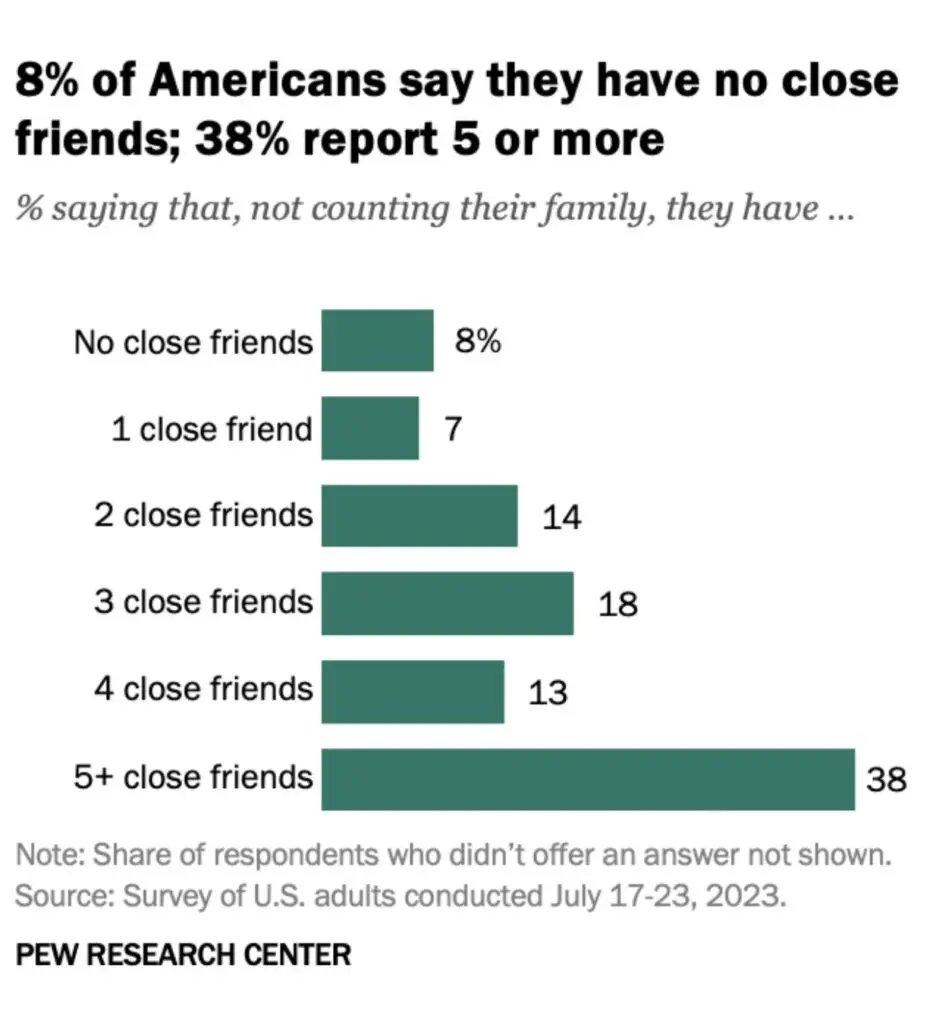
- 8% of US adults say they have no close friends (Pew Research Center, Oct 2023).
What does loneliness do to your health?
It shortens lives. The effect sizes rival smoking and obesity.
- Loneliness raises the risk of premature death by 26% and social isolation by 29% (US Surgeon General, Our Epidemic of Loneliness and Isolation, May 2023).
- Poor social connection is linked to a 29% higher risk of heart disease and a 32% higher risk of stroke (US Surgeon General, May 2023).
- Loneliness is linked to more than 871,000 deaths a year worldwide, about 100 every hour (World Health Organization, Jun 2025).
Are we spending less time together?
Much less. Time with friends has collapsed over two decades.
- Americans’ in-person time with friends fell from 60 minutes a day in 2003 to 20 minutes a day in 2020 (US Surgeon General, May 2023).
You don’t have to do this alone. The Empath Membership is a community for sensitive people who want to be understood.
The spiritual seeker
“Spiritual but not religious” isn’t fringe. It describes about one in five Americans, and a large share of adults report experiences that science can’t yet explain.
How many people consider themselves spiritual?
Most. About seven in ten US adults describe themselves as spiritual, and religious belonging no longer tracks with it.
- 70% of US adults think of themselves as spiritual or say spirituality is very important to them, and 22% are spiritual but not religious (Pew Research Center, Dec 2023).
- 74% of US adults identify as spiritual in the larger Religious Landscape Study (Pew Research Center, Feb 2025).
- 86% of Americans believe people have a soul or spirit in addition to a physical body (Pew Research Center, Feb 2025).
- US church, synagogue or mosque membership fell to 47% in 2020, down from 73% in 1937 (Gallup, Mar 2021).
How common are spiritual experiences?
Common. Large shares of Americans report felt experiences of spirit, presence and wonder.
- 38% say they’ve had a strong feeling that someone who had died was communicating with them, and 30% say they’ve encountered a spirit or unseen spiritual force (Pew Research Center, Dec 2023).
- 81% say there is something spiritual beyond the natural world, even if we can’t see it (Pew Research Center, Spiritual Beliefs, Dec 2023).
- 46% feel a deep sense of wonder about the universe at least once or twice a month (Pew Research Center, Dec 2023).
- 57% believe animals can have spirits or spiritual energies, and 48% say parts of nature can (Pew Research Center, Spiritual Beliefs, Dec 2023).
- 26% say objects such as crystals, jewels or stones can hold spiritual energy (Pew Research Center, Spiritual Beliefs, Dec 2023).
- Across 36 countries, a median of 56% believe parts of nature have spirits (Pew Research Center, May 2025).
How many people use astrology, tarot or psychics?
About three in ten Americans consult one at least once a year, though very few rely on them for big decisions.
- 30% of US adults consult astrology, tarot cards or a fortune teller at least once a year (Pew Research Center, May 2025).
- 28% consult astrology, 11% tarot and 6% a fortune teller, while just 1% rely on them “a lot” when making major decisions (Pew Research Center, May 2025).
- Nearly a quarter of 18 to 29 year olds consult tarot at least yearly, and women are about twice as likely as men to believe in astrology, 35% vs 18% (Pew Research Center, May 2025).
Going through an awakening of your own? Start with When Empaths Awaken.
Energy healing and complementary practices
Complementary practice has gone mainstream in two decades. The evidence on energy healing is promising but early, and an honest page says so.
How many people use complementary health practices?
More than a third of US adults. Mind-body practices led the growth.
- Yoga showed the largest increase, from 5.0% of adults in 2002 to 15.8% in 2022 (Nahin et al., JAMA, Jan 2024).
- Meditation use rose from 7.5% to 17.3% of US adults between 2002 and 2022 (NCCIH, Jan 2024).
- Massage therapy rose from 4.8% to 10.9%, and chiropractic from 7.4% to 11.0% (NCCIH, Jan 2024).
- Among people using these practices, the share using them for pain rose from 42.3% to 49.2% (Nahin et al., JAMA, Jan 2024).
How many people use energy healing or Reiki?
A small but steady group. National surveys last broke out energy healing in 2012, so newer figures don’t exist.
- 0.5% of US adults, about 1.08 million people, used energy healing therapy in 2012, unchanged from 2002 and 2007 (CDC, National Health Statistics Reports No. 79, Feb 2015).
- 33.2% of adults used some complementary health approach in 2012 under that survey’s broader definition (CDC, National Health Statistics Reports No. 79, Feb 2015).
- 42% of responding US hospitals offered at least one complementary therapy, up from 37% in 2007 (American Hospital Association, Sep 2011).
What does the research say about Reiki?
Recent meta-analyses find benefits for anxiety, pain and quality of life, but the evidence is still moderate to low certainty, and US health officials haven’t endorsed it.
- Across 824 participants, Reiki had a significant effect on anxiety (standardized mean difference −0.82) (Guo et al., BMC Palliative Care, Jun 2024).
- A meta-analysis of randomized trials found a small improvement in quality of life after Reiki (standardized mean difference 0.28) (Liu et al., Systematic Reviews, Mar 2025).
- Across 15 surgical trials with 1,208 patients, Reiki reduced pain at 24 and 48 hours after surgery, with moderate-to-low certainty, and the authors cautioned about placebo effects (Wang et al., Intensive and Critical Care Nursing, Sep 2026).
- The NIH says Reiki “hasn’t been clearly shown to be effective for any health-related purpose” and “hasn’t been shown to have any harmful effects” (NCCIH, Reiki, Dec 2018).
Curious what an energy session feels like? Quantum Alignment is Laura’s 1:1 intuitive energy healing, offered virtually. It complements, and never replaces, medical or psychological care.
Relationships, boundaries and emotional abuse
Empaths often say they attract controlling partners. The national data shows emotional abuse is common enough that boundaries aren’t a luxury. They’re a survival skill.
How common is emotional abuse in relationships?
Very. Nearly half of US adults have experienced it from a partner at some point.
- 46.2% of US women have experienced coercive control and entrapment by a partner (CDC, NISVS 2016/2017 Report on Intimate Partner Violence, Oct 2022).
- 29.4% of women and 20.2% of men have had a partner insult, humiliate or demean them (CDC, NISVS, Oct 2022).
- In the past year alone, 6.7% of women and 7.0% of men experienced psychological aggression by a partner (CDC, NISVS, Oct 2022).
What does coercive control look like?
Usually quiet: monitoring, decision-making, isolation and money. Physical violence isn’t required.
- The most common forms reported by women were a partner demanding to know where they were (28.6%), making decisions that should have been theirs (26.2%) and destroying something important to them (25.4%) (CDC, NISVS, Oct 2022).
- 21.4% of women and 17.9% of men had a partner threaten self-harm because they were upset with them (CDC, NISVS, Oct 2022).
- 21.0% of women and 14.6% of men had a partner try to keep them from seeing family or friends (CDC, NISVS, Oct 2022).
- 12.6% of women and 5.7% of men had a partner keep them from having their own money (CDC, NISVS, Oct 2022).
- 15.6% of women with children at home say a child had seen or heard them being insulted, humiliated or threatened by a partner (CDC, NISVS, Oct 2022).
If you’re in an abusive relationship, the National Domestic Violence Hotline is available 24/7 at 1-800-799-7233.
Are sensitive people drawn to narcissists?
There’s no study proving empaths attract narcissists. But research shows some people pair the ability to read others with a lack of care for them, and sensitivity can make relationships harder to navigate.
- Lifetime narcissistic personality disorder prevalence was 6.2% (7.7% of men, 4.8% of women) in one national survey using DSM-IV criteria; other estimates run closer to 1% (Stinson et al., Journal of Clinical Psychiatry, Jul 2008).
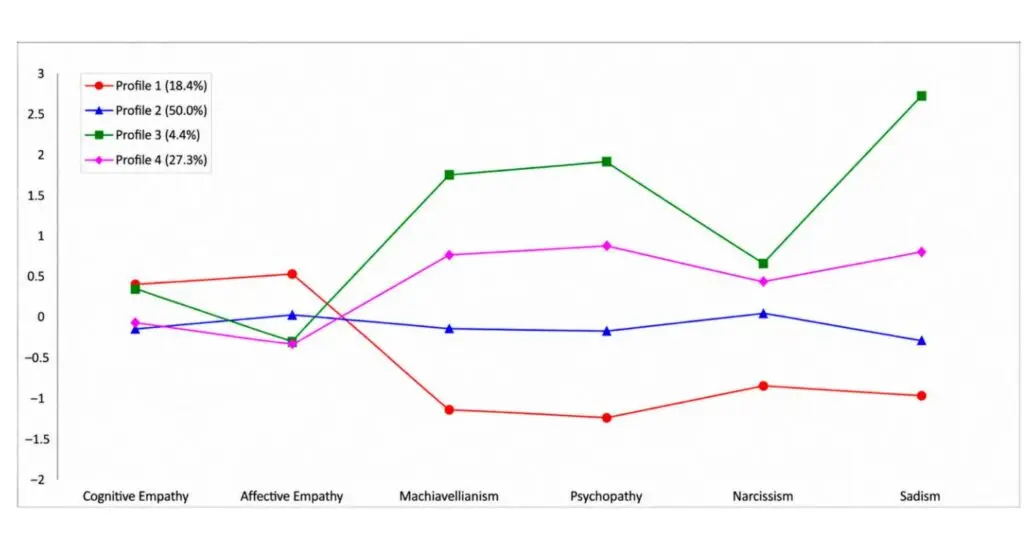
- Of 991 participants, 175 (17.7%) fit a “dark empath” profile combining high dark traits with high empathy, while 357 (36.0%) were empaths with low dark traits (Heym et al., Personality and Individual Differences, Feb 2021).
- In a preliminary study of 324 adults, the dark cognitive empath profile scored highest on cyber-monitoring and controlling a partner (Galán et al., Behavioral Sciences, Sep 2026).
- Higher sensitivity was linked to lower romantic relationship satisfaction, through negative mood and conflict style (Zorlular & Uzer, Current Psychology, Sep 2022).
- 34% of partnered US adults have secretly looked through their partner’s phone, including 42% of women and 25% of men (Pew Research Center, May 2020).
Boundaries are learnable. The Boundaries for Empaths class teaches the practical and energetic sides of saying no.
Seeking support: therapy, coaching and mentoring
Demand for support is outrunning supply. Therapists are full, and coaching and mentoring are growing to fill the gap. The research says they work best alongside therapy, not instead of it.
How many people get mental health support?
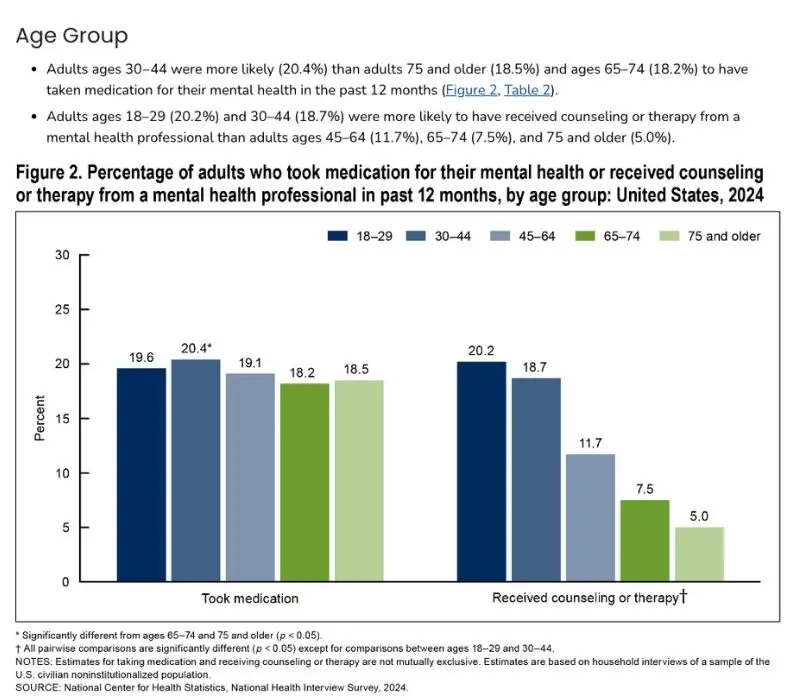
About one in four US adults receives some form of mental health treatment, and far more say they need it.
- 14.0% of US adults received counseling or therapy from a mental health professional in the past 12 months, including 16.9% of women and 10.9% of men (NCHS, Data Brief No. 564, Jun 2026).
- 19.3% of US adults took medication for their mental health in the past year (NCHS, Data Brief No. 564, Jun 2026).
- The share of adults receiving any mental health treatment rose from 19.2% in 2019 to 23.9% in 2023 (CDC, MMWR QuickStats, Dec 2024).
- 90% of US adults think there is a mental health crisis in the country (KFF/CNN, Oct 2022).
- 27% of adults thought they needed mental health care in the past year but didn’t get it, rising to 47% of adults under 30 (KFF/CNN, Oct 2022).
Can people find a therapist when they need one?
Often not quickly. Psychologists report full caseloads and sicker clients.
- 45% of psychologists saw symptom severity increase among their patients (American Psychological Association, Practitioner Pulse Survey, Dec 2025).
Does coaching or mentoring actually work?
Yes, with moderate effects in the research. Coaching is growing fast, and most people who try it are satisfied.
- There are 122,974 coach practitioners worldwide, generating an estimated $5.34 billion in annual revenue (International Coaching Federation, 2025 Global Coaching Study, Sep 2025).
- 74% of consumers are aware of coaching but only 17% have used it, and 86% of those coached were satisfied (International Coaching Federation, 2026 Global Consumer Awareness Study, Oct 2026).
- A coaching meta-analysis found positive effects on all five outcomes studied, with effect sizes from g = 0.43 for coping to g = 0.74 for goal-directed self-regulation (Theeboom et al., Journal of Positive Psychology, Sep 2013).
- Workplace coaching had a positive overall effect (δ = 0.36) and a larger one on emotional outcomes (δ = 0.51) (Jones et al., Journal of Occupational and Organizational Psychology, Apr 2015).
- Mentoring is associated with a wide range of favorable outcomes for the people mentored, though effect sizes are generally small (Eby et al., Journal of Vocational Behavior, Apr 2008).
Looking for an empath mentor? Laura has worked with sensitive people for nearly 20 years. Explore Mentoring Packages or book a free 30-minute call. Mentoring is not psychotherapy; if you need clinical care, please work with a licensed professional alongside it.
Methodology and Sources
Every statistic on this page comes from the organization that produced the data: peer-reviewed journals, government agencies (CDC, NIH, WHO, the US Surgeon General) and the research groups that ran each survey (Pew Research Center, Gallup, the American Psychological Association, the International Coaching Federation). We do not cite statistics roundups or blogs. Each figure was checked against its source page, abstract or PDF, and each is dated by publication. Because science does not study “empaths” directly, we use research on sensory processing sensitivity (the highly sensitive person trait), empathy and emotional contagion as the closest evidence. Prevalence figures differ by method: older studies used a single cut-off and found about 20%, while newer latent class studies find about 30%. Sample caveats are noted where they matter (for example, the overstimulation study’s sample was 84% female and mostly Belgian, and the narcissism estimate uses older DSM-IV criteria). National Health Interview Survey response rates fell to about 50% by 2022. This page is refreshed monthly.
Sources
- Lionetti F, et al. “Dandelions, tulips and orchids.” Translational Psychiatry, 2018. https://www.nature.com/articles/s41398-017-0090-6
- Assary E, et al. “Genetic architecture of Environmental Sensitivity.” Molecular Psychiatry, 2020. https://www.nature.com/articles/s41380-020-0783-8
- Falkenstein T, et al. “Environmental Sensitivity and Common Mental-Health Problems: A Meta-Analysis.” Clinical Psychological Science, 2025. https://doi.org/10.1177/21677026251348428
- Pluess M, Boniwell I. “Sensory-Processing Sensitivity predicts treatment response to a school-based depression prevention program.” Personality and Individual Differences, 2015. https://doi.org/10.1016/j.paid.2015.03.011
- CDC. “ADHD Diagnosis, Treatment, and Telehealth Use in Adults.” MMWR 73(40), 2024. https://www.cdc.gov/mmwr/volumes/73/wr/mm7340a1.htm
- American Psychological Association. Work in America 2026: Psychological Capital. https://www.apa.org/pubs/reports/work-in-america/2026/full-report.pdf
- Gallup. “U.S. Depression Rate Remains Historically High,” 2025. https://news.gallup.com/poll/694199/u.s.-depression-rate-remains-historically-high.aspx
- US Surgeon General. Our Epidemic of Loneliness and Isolation, 2023. https://www.hhs.gov/sites/default/files/surgeon-general-social-connection-advisory.pdf
- Pew Research Center. Spirituality Among Americans, 2023. https://www.pewresearch.org/religion/2023/12/07/spirituality-among-americans/
- Nahin RL, et al. “Use of Complementary Health Approaches Overall and for Pain Management by US Adults.” JAMA, 2024. https://pmc.ncbi.nlm.nih.gov/articles/PMC10811586/
- CDC. The National Intimate Partner and Sexual Violence Survey: 2016/2017 Report on Intimate Partner Violence, 2022. https://stacks.cdc.gov/view/cdc/124646
- American Psychological Association. 2025 Practitioner Pulse Survey. https://www.apa.org/pubs/reports/practitioner/2025/full-report.pdf
- Weyn S, et al. “Sensory processing sensitivity and overstimulation in daily life.” Scientific Reports, 2025. https://doi.org/10.1038/s41598-025-31629-3
- Queen Mary University of London. “People with sensitive personalities more likely to experience mental health problems,” 2025. https://www.qmul.ac.uk/news/latest-news/2025/science-and-engineering/se/people-with-sensitive-personalities-more-likely-to-experience-mental-health-problems.html
- Acevedo BP, et al. “The highly sensitive brain: an fMRI study.” Brain and Behavior, 2014. https://doi.org/10.1002/brb3.242
- Pluess M, et al. “Environmental sensitivity in children.” Developmental Psychology, 2018. https://doi.org/10.1037/dev0000406
- Yang & Kwon. “Cut-off scores for the Korean Highly Sensitive Person Scale.” PLOS ONE, 2024. https://doi.org/10.1371/journal.pone.0309904
- Iimura S, et al. “Highly Sensitive Person Scale-10, Japanese version.” Journal of Personality Assessment, 2022. https://doi.org/10.1080/00223891.2022.2047988
- Pérez-Chacón M, et al. “Sensory Processing Sensitivity and Health-Related Quality of Life.” IJERPH, 2023. https://doi.org/10.3390/ijerph20095644
- University of Osaka. “Sensitive yet empathetic: HSPs in the workplace,” 2024. https://resou.osaka-u.ac.jp/en/research/2024/20241106_2
- Acevedo BP, et al. “The functional highly sensitive brain.” Philosophical Transactions of the Royal Society B, 2018. https://doi.org/10.1098/rstb.2017.0161
- Wolf M, et al. “Evolutionary emergence of responsive and unresponsive personalities.” PNAS, 2008. https://doi.org/10.1073/pnas.0805473105
- Aron EN, Aron A. “Sensory-processing sensitivity and its relation to introversion and emotionality.” JPSP, 1997. https://pubmed.ncbi.nlm.nih.gov/9248053/
- Jagiellowicz J, et al. “The trait of sensory processing sensitivity and neural responses to changes in visual scenes.” SCAN, 2010. https://doi.org/10.1093/scan/nsq001
- Acevedo BP, et al. “Sensory processing sensitivity predicts individual differences in resting-state functional connectivity.” Neuropsychobiology, 2021. https://doi.org/10.1159/000513527
- Greven CU, et al. “Sensory Processing Sensitivity in the context of Environmental Sensitivity.” Neuroscience & Biobehavioral Reviews, 2019. https://doi.org/10.1016/j.neubiorev.2019.01.009
- Lamm C, et al. “Meta-analytic evidence for common and distinct neural networks associated with empathy for pain.” NeuroImage, 2011. https://doi.org/10.1016/j.neuroimage.2010.10.014
- Singer T, et al. “Empathy for pain involves the affective but not sensory components of pain.” Science, 2004. https://doi.org/10.1126/science.1093535
- Mukamel R, et al. “Single-neuron responses in humans during execution and observation of actions.” Current Biology, 2010. https://doi.org/10.1016/j.cub.2010.02.045
- Dimberg U, et al. “Unconscious facial reactions to emotional facial expressions.” Psychological Science, 2000. https://doi.org/10.1111/1467-9280.00221
- Fowler JH, Christakis NA. “Dynamic spread of happiness in a large social network.” BMJ, 2008. https://doi.org/10.1136/bmj.a2338
- Kramer ADI, et al. “Experimental evidence of massive-scale emotional contagion through social networks.” PNAS, 2014. https://doi.org/10.1073/pnas.1320040111
- Costa-López B, et al. “Sensory processing sensitivity, stress and sleep.” Scientific Reports, 2024. https://doi.org/10.1038/s41598-024-72657-9
- Golonka K, et al. “Sensory processing sensitivity and cortisol.” Scientific Reports, 2025. https://doi.org/10.1038/s41598-025-90263-1
- Nocentini A, Menesini E, Pluess M. “The Personality Trait of Environmental Sensitivity Predicts Children’s Positive Response to School-Based Antibullying Intervention.” Clinical Psychological Science, 2018. https://doi.org/10.1177/2167702618782194
- CDC. “Prevalence and Early Identification of Autism Spectrum Disorder Among Children Aged 4 and 8 Years.” MMWR Surveillance Summaries 74(2), 2025. https://www.cdc.gov/mmwr/volumes/74/ss/ss7402a1.htm
- CDC. Data and Statistics on Autism Spectrum Disorder. https://www.cdc.gov/autism/data-research/index.html
- Dietz PM, et al. “National and State Estimates of Adults with Autism Spectrum Disorder.” JADD, 2020. https://pmc.ncbi.nlm.nih.gov/articles/PMC9128411/
- Panagiotidi M, et al. “Sensory sensitivity and ADHD traits.” Psychiatry Research, 2020. https://doi.org/10.1016/j.psychres.2020.113477
- Dwyer P, et al. “A Trans-Diagnostic Investigation of Attention and Diverse Phenotypes.” Journal of Attention Disorders, 2025. https://pmc.ncbi.nlm.nih.gov/articles/PMC12686195/
- Tomchek SD, Dunn W. “Sensory processing in children with and without autism.” AJOT, 2007. https://doi.org/10.5014/ajot.61.2.190
- Ben-Sasson A, et al. “A meta-analysis of sensory modulation symptoms in individuals with autism spectrum disorders.” JADD, 2009. https://doi.org/10.1007/s10803-008-0593-3
- Raymaker DM, et al. “Defining Autistic Burnout.” Autism in Adulthood, 2020. https://pmc.ncbi.nlm.nih.gov/articles/PMC7313636/
- Hull L, et al. “Putting on My Best Normal.” JADD, 2017. https://pmc.ncbi.nlm.nih.gov/articles/PMC5509825/
- Cassidy S, et al. “Risk markers for suicidality in autistic adults.” Molecular Autism, 2018. https://pmc.ncbi.nlm.nih.gov/articles/PMC6069847/
- Golonka K, Gulla B. “Individual Differences and Susceptibility to Burnout Syndrome: Sensory Processing Sensitivity.” Frontiers in Psychology, 2021. https://pmc.ncbi.nlm.nih.gov/articles/PMC8650839/
- American Psychological Association. Work in America 2024: Psychological Safety. https://www.apa.org/pubs/reports/work-in-america/2024/2024-work-in-america-report.pdf
- American Psychological Association. “Majority of U.S. workers say job insecurity has significant impact on their stress,” 2025. https://www.eurekalert.org/news-releases/1084644
- Gallup. State of the Global Workplace 2026. https://www.gallup.com/workplace/697904/state-of-the-global-workplace-global-data.aspx
- World Health Organization. “Burn-out an occupational phenomenon,” 2019. https://www.who.int/news/item/28-05-2019-burn-out-an-occupational-phenomenon-international-classification-of-diseases
- Lv J, et al. “Prevalence and risk factors of compassion fatigue in gynecological and obstetric nurses.” Frontiers in Public Health, 2025. https://pmc.ncbi.nlm.nih.gov/articles/PMC12301350/
- “Prevalence of burnout and secondary traumatic stress among ICU professionals: a meta-analysis.” Intensive and Critical Care Nursing, 2025. https://doi.org/10.1016/j.iccn.2025.104289
- Algamdi M. “Prevalence of oncology nurses’ compassion satisfaction and compassion fatigue.” Nursing Open, 2021. https://pmc.ncbi.nlm.nih.gov/articles/PMC8685871/
- Gallup. “Younger Men in the U.S. Among the Loneliest in West,” 2025. https://news.gallup.com/poll/690788/younger-men-among-loneliest-west.aspx
- The Cigna Group. Loneliness in America 2025. https://filecache.mediaroom.com/mr5mr_thecignagroup/183661/2025-loneliness-in-america-report-the-cigna-group.pdf
- Pew Research Center. “What does friendship look like in America?” 2023. https://www.pewresearch.org/short-reads/2023/10/12/what-does-friendship-look-like-in-america/
- World Health Organization. “Social connection linked to improved health and reduced risk of early death,” 2025. https://www.who.int/news/item/30-06-2025-social-connection-linked-to-improved-heath-and-reduced-risk-of-early-death
- Pew Research Center. “Spiritual and religious self-descriptions,” 2025. https://www.pewresearch.org/religion/2025/02/26/spiritual-and-religious-self-descriptions/
- Pew Research Center. “Religious and spiritual beliefs,” 2025. https://www.pewresearch.org/religion/2025/02/26/religious-and-spiritual-beliefs/
- Gallup. “U.S. Church Membership Falls Below Majority for First Time,” 2021. https://news.gallup.com/poll/341963/church-membership-falls-below-majority-first-time.aspx
- Pew Research Center. “Americans’ spiritual beliefs,” 2023. https://www.pewresearch.org/religion/2023/12/07/spiritual-beliefs/
- Pew Research Center. “Believing in Spirits and Life After Death Is Common Around the World,” 2025. https://www.pewresearch.org/religion/2025/05/06/believing-in-spirits-and-life-after-death-is-common-around-the-world/
- Pew Research Center. “3 in 10 Americans consult astrology, tarot cards or fortune tellers,” 2025. https://www.pewresearch.org/religion/2025/05/21/3-in-10-americans-consult-astrology-tarot-cards-or-fortune-tellers/
- NCCIH. Use of Yoga, Meditation and Massage: 20-Year Trends. https://www.nccih.nih.gov/research/national-health-interview-survey-2022/graph-titled-use-of-yoga-meditation-and-massage-20-year-trends
- NCCIH. Use of Complementary Health Approaches: 20-Year Trends. https://www.nccih.nih.gov/research/national-health-interview-survey-2022/graph-titled-use-of-complementary-health-approaches-20-year-trends
- Clarke TC, et al. “Trends in the Use of Complementary Health Approaches Among Adults: United States, 2002–2012.” National Health Statistics Reports No. 79, 2015. https://www.cdc.gov/nchs/data/nhsr/nhsr079.pdf
- American Hospital Association and Samueli Institute. 2010 CAM Survey of Hospitals, 2011. https://www.aha.org/system/files/presscenter/pressrel/2011/110907-pr-camsurvey.pdf
- Guo Y, et al. “Therapeutic effects of Reiki on interventions for anxiety: a meta-analysis.” BMC Palliative Care, 2024. https://doi.org/10.1186/s12904-024-01439-x
- Liu Y, et al. “Effects of Reiki therapy on quality of life: a meta-analysis of RCTs.” Systematic Reviews, 2025. https://doi.org/10.1186/s13643-025-02811-5
- Wang et al. “The effectiveness of Reiki in surgical care: a systematic review and meta-analysis.” Intensive and Critical Care Nursing, 2026. https://doi.org/10.1016/j.iccn.2026.104534
- NCCIH. Reiki. https://www.nccih.nih.gov/health/reiki
- Galán M, et al. Behavioral Sciences 16(10):1780, 2026. https://doi.org/10.3390/bs16101780
- Stinson FS, et al. “Prevalence, correlates, disability, and comorbidity of DSM-IV narcissistic personality disorder.” Journal of Clinical Psychiatry, 2008. https://pmc.ncbi.nlm.nih.gov/articles/PMC2669224/
- Heym N, et al. “The dark empath.” Personality and Individual Differences, 2021. https://doi.org/10.1016/j.paid.2020.110172
- Zorlular & Uzer. “Sensory processing sensitivity and romantic relationship satisfaction.” Current Psychology, 2022. https://pmc.ncbi.nlm.nih.gov/articles/PMC9510169/
- Pew Research Center. “Dating and Relationships in the Digital Age,” 2020. https://www.pewresearch.org/internet/2020/05/08/dating-and-relationships-in-the-digital-age/
- NCHS. Data Brief No. 564: Mental Health Treatment Among Adults: United States, 2024. https://www.cdc.gov/nchs/products/databriefs/db564.htm
- CDC. “QuickStats: Mental Health Treatment Trends Among Adults, 2019–2023.” MMWR 73(50), 2024. https://www.cdc.gov/mmwr/volumes/73/wr/mm7350a5.htm
- KFF/CNN. Mental Health in America Survey, 2022. https://www.kff.org/mental-health/kff-cnn-mental-health-in-america-survey/
- International Coaching Federation and PwC. 2025 Global Coaching Study. https://coachingfederation.org/research/global-coaching-study
- International Coaching Federation. 2026 Global Consumer Awareness Study. https://coachingfederation.org/resource/2026-icf-global-consumer-awareness-study-executive-summary/
- Theeboom T, et al. “Does coaching work? A meta-analysis.” Journal of Positive Psychology, 2014. https://doi.org/10.1080/17439760.2013.837499
- Jones RJ, et al. “The effectiveness of workplace coaching: A meta-analysis.” Journal of Occupational and Organizational Psychology, 2016. https://doi.org/10.1111/joop.12119
- Eby LT, et al. “Does mentoring matter? A multidisciplinary meta-analysis.” Journal of Vocational Behavior, 2008. https://doi.org/10.1016/j.jvb.2007.04.005
Glossary
- SPS (sensory processing sensitivity): the research name for the highly sensitive person trait, a deeper processing of sensory, emotional and social information.
- HSP (highly sensitive person): someone who scores high on sensory processing sensitivity, usually measured with the Highly Sensitive Person Scale.
- Latent class analysis: a statistical method that lets data sort people into natural groups instead of using a fixed cut-off.
- Heritability: the share of differences between people in a trait that’s explained by genetic differences.
- fMRI: functional magnetic resonance imaging, a brain scan that tracks activity through blood flow.
- Insula: a brain region involved in awareness of bodily states, emotion and empathy.
- Emotional contagion: the automatic spread of emotions from one person to another.
- Vantage sensitivity: the tendency of highly sensitive people to benefit more than others from positive experiences and support.
- ADHD: attention-deficit/hyperactivity disorder.
- ASD: autism spectrum disorder.
- Masking (camouflaging): hiding or suppressing natural traits, often autistic traits, to fit social expectations.
- ICD-11: the World Health Organization’s International Classification of Diseases, 11th revision.
- Compassion fatigue: emotional and physical exhaustion from caring for people who are suffering.
- Secondary traumatic stress: trauma symptoms that come from hearing about or witnessing others’ trauma.
- SBNR: spiritual but not religious.
- NHIS: the National Health Interview Survey, run by the CDC’s National Center for Health Statistics.
- SMD (standardized mean difference): an effect size that compares groups across studies; larger absolute values mean bigger effects.
- RCT: randomized controlled trial.
- NPD: narcissistic personality disorder.
- Coercive control: a pattern of controlling, monitoring, isolating or threatening behavior by a partner.
- ICF: the International Coaching Federation.